
Prescriptions
Shingles: Symptoms, Signs, and Treatment Options in Ireland
Recognise shingles symptoms early, understand antiviral treatment timing, and know when to seek urgent care from an Irish GP.
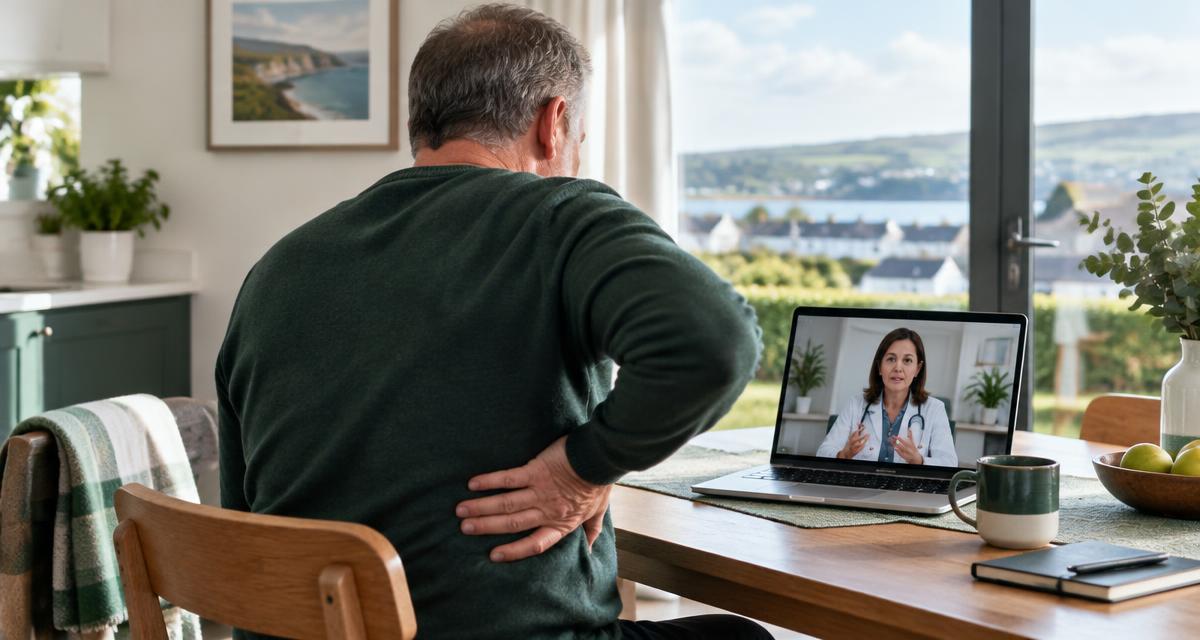
Need to be seen today? Video or phone appointment with an Irish-registered GP, €39.
Book a GPShingles is a painful skin rash caused by the reactivation of the varicella-zoster virus, which is the same virus that causes chickenpox. In Ireland, shingles is typically managed with prescription antiviral medication from a GP, which is most effective when started within 72 hours of the rash first appearing.
If you suspect you are developing shingles, understanding the symptoms early can help you seek timely medical advice.
What is shingles and what causes it?
Shingles (also known medically as herpes zoster) is an infection of a nerve and the skin around it. According to the Health Service Executive (HSE), you can only get shingles if you have previously had chickenpox.
After you recover from chickenpox, the virus remains inactive in your nervous system. Years or decades later, the virus can reactivate, travel down the nerve path to your skin, and cause shingles. While the exact trigger is not always clear, reactivation often occurs during periods of high stress, illness, or when the immune system is naturally weakened by age or medical treatments.
You cannot catch shingles from someone who has it. However, a person with an active, blistering shingles rash can pass the varicella-zoster virus to someone who has never had chickenpox before, causing them to develop chickenpox rather than shingles.
What are the early signs and symptoms of shingles?
The symptoms of shingles usually develop in stages and typically affect only one side of your body.
Early sensory signs
Before any visible rash appears, you may experience:
- A localized tingling, itching, or burning sensation on a specific patch of skin.
- A dull, stabbing, or burning pain that can range from mild to severe.
- An unusual sensitivity to touch in the affected area.
- General flu-like symptoms, including a mild headache, fatigue, or feeling generally unwell.
The shingles rash
Within one to five days after the pain or tingling begins, a rash will appear in the area of skin connected to the affected nerve.
The rash typically develops as follows:
- Red patches: Small, red, raised spots appear on one side of your body, often wrapping around your waist, chest, back, or neck.
- Fluid-filled blisters: These spots quickly turn into itchy blisters filled with fluid, looking similar to chickenpox.
- Crusting over: After a few days, the blisters burst, dry out, and form crusts or scabs.
- Healing: The scabs generally fall off within two to four weeks, sometimes leaving minor scarring or skin discoloration.
How is shingles treated in Ireland?
There is no cure for shingles, but prompt treatment can significantly ease your symptoms, speed up recovery, and lower the risk of complications such as post-herpetic neuralgia (persistent nerve pain).
Antiviral medications
GPs in Ireland frequently prescribe antiviral tablets (such as aciclovir, famciclovir, or valaciclovir) to help stop the virus from multiplying. These medications are highly time-sensitive. They work best when started within 72 hours of the rash appearing, which is why securing a prompt medical assessment is important.
Pain management and home care
To manage the discomfort of shingles at home, you can:
- Take over-the-counter pain relief, such as paracetamol or ibuprofen, following the dosage advice.
- Keep the rash clean and dry to reduce the risk of a secondary bacterial infection.
- Wear loose-fitting, soft clothing made of natural fibres to avoid irritation.
- Use cool, damp compresses on the blisters to soothe the skin.
- Avoid using topical creams or plasters unless advised by a healthcare professional.
Whether you live in Dublin, Cork, Galway, or a rural Irish county, you can access clinical advice regarding your skin symptoms through online GP consultations in Ireland without having to travel to a physical clinic.
When is shingles a medical emergency?
While most cases of shingles resolve without lasting issues, certain symptoms require urgent medical care.
You must call 999 or 112, or attend your nearest emergency department immediately if:
- The shingles rash appears on your face, particularly near your eye, forehead, or tip of your nose. This can cause severe ophthalmic complications and permanent vision loss if left untreated.
- You have a severely weakened immune system due to chemotherapy, HIV, or immunosuppressive medications, as the virus can spread to internal organs.
- You experience extreme symptoms such as a stiff neck, confusion, severe muscle weakness, or a high fever.
Get professional clinical advice today
If you are experiencing painful skin tingling or a localized blistering rash, early medical assessment is key to managing shingles effectively. At NOVAGP.IE, you can consult with an experienced, Irish-registered GP from the comfort of your home.
You can consider booking a €39 GP consultation with us today. Please note that any decision to prescribe antiviral medications or other treatments depends entirely on the GP’s clinical assessment of your symptoms during your consultation.
Related care with NOVAGP
- Check your symptoms in 30 seconds — free, no sign-up.
Frequently asked questions
Is shingles contagious to other people?
You cannot catch shingles from someone who has it. However, if you have never had chickenpox, you can catch chickenpox by coming into direct contact with the open blisters of an active shingles rash. It is important to keep the rash covered to prevent spreading the virus to vulnerable individuals.
How long does a shingles rash last?
Most shingles rashes heal completely within two to four weeks. The skin may remain tender or red for several weeks after the blisters clear. Some individuals experience persistent nerve pain, known as post-herpetic neuralgia, which can last for several months or longer after the rash has resolved.
Can I get shingles more than once?
Yes, it is possible to get shingles more than once, although it is uncommon for most healthy individuals. If you experience recurrent episodes of shingles, you should consult an [Irish Medical Council](https://www.medicalcouncil.ie) registered GP to discuss your symptoms and potential underlying reasons for recurrent infections.
Can I get an online prescription for shingles antivirals?
If you show signs of shingles, an online GP can assess your rash via video and, if appropriate, issue [smart prescriptions](/smart-prescriptions) sent directly to your local Irish pharmacy. This assessment depends entirely on the doctor's clinical judgment, and antivirals are most effective when started within 72 hours of rash onset.
Does a medical card cover online GP visits for shingles?
Private online GP services in Ireland, including NOVAGP, operate on a private fee basis and are not covered by the HSE medical card scheme. However, any prescription issued by our GPs can be dispensed under your standard medical card or Drug Payment Scheme rules at your local pharmacy.
Share this guide
Talk to an Irish GP today
Same-day video or phone appointments, €39. Prescriptions sent securely to your pharmacy.
This article is general health information for people in Ireland and is not a substitute for individual medical advice. If you have an urgent or severe symptom, contact your GP, an out-of-hours service, or call 112 or 999.
Related articles
 Prescriptions
Restless Legs Syndrome: Causes, Diagnosis, and Treatment in Ireland
6 min readPrescriptions
Typhoid Vaccine and Travel Health Consultations Online
4 min readPrescriptions
Bacterial Vaginosis Antibiotic Dosage Guidelines in Ireland
4 min readPrescriptions
Online Repeat Prescriptions and Bridging Scripts in Ireland
5 min readPrescriptions
Online Prescription Refill for Underactive Thyroid (Hypothyroidism) in Ireland
4 min read
Continue exploring this topic
Symptoms & common conditions guides for patients in Ireland