
Prescriptions
Stye Treatment: When Is an Antibiotic Needed?
Discover when a stye requires antibiotic treatment in Ireland. Learn home remedies and consult an Irish-registered GP online today via NOVAGP.IE.
Need to be seen today? Video or phone appointment with an Irish-registered GP, €39.
Book a GPMost styes heal naturally within one to two weeks using simple warm compresses at home and do not require antibiotics. However, if the infection spreads to the surrounding eyelid skin or fails to improve after home care, an Irish-registered GP can prescribe antibiotic ointment or oral antibiotics via Healthmail.
A stye (known clinically as a hordeolum) is a common, localized swelling on the eyelid. While they are uncomfortable and unsightly, they are rarely a threat to your vision. Understanding when to treat a stye at home and when to seek professional medical advice can prevent complications and ensure fast relief.
What is a stye and what causes it?
A stye is a small, painful lump on the inside or outside of your eyelid. It usually develops when an oil gland or an eyelash follicle becomes clogged with dead skin cells, oils, and common skin bacteria, such as *Staphylococcus aureus*.
There are two main types of styes:
- External stye: This forms along the outer edge of your eyelid, usually starting in an eyelash follicle. It often looks like a pimple or a boil.
- Internal stye: This forms on the inner side of your eyelid, pointing toward your eyeball. These are typically more painful and are caused by an infection in a meibomian (oil) gland.
How can I treat a stye at home in Ireland?
The vast majority of styes can be managed safely at home without medical intervention. Irish pharmacists generally recommend a simple, conservative treatment routine:
- Use a warm compress: Soak a clean flannel in warm water (not boiling) and hold it gently against your closed eye for 10 to 15 minutes, three to four times a day. The warmth helps liquefy the trapped oil and encourages the stye to drain naturally.
- Practice good eyelid hygiene: Wash your hands thoroughly before touching your face. Clean crusty discharge from your eyelids using a cotton pad soaked in warm water or a specialized eyelid wipe available from your local Irish pharmacy.
- Avoid squeezing or popping: Never attempt to puncture or pop a stye. This can spread the bacterial infection deeper into your eyelid tissues.
- Avoid makeup and contact lenses: Stop using eye makeup and discard older cosmetic brushes. Wear glasses instead of contact lenses until the infection has completely cleared to prevent cross-contamination.
When does a stye need an antibiotic?
Antibiotic eye drops or ointments are not effective for a standard, localized stye because the active infection is trapped deep inside a blocked gland. However, medical intervention with prescription antibiotics is necessary in specific scenarios:
- Spreading infection (Preseptal Cellulitis): If the redness, swelling, and warmth spread from the immediate lump to the rest of your eyelid, your cheek, or your eyebrow, the infection may have spread to the surrounding skin. This requires immediate GP assessment and often a course of oral antibiotics.
- No improvement after a week: If your stye does not start to improve after one week of consistent warm compresses, a GP should evaluate it.
- Severe pain or vision changes: If you experience severe eye pain, difficulty keeping your eye open, or changes in your vision, you need urgent medical care.
- Frequent recurrences: If you experience multiple styes in a short period, an underlying skin condition like blepharitis or rosacea may need targeted treatment.
How can an online GP help with a stye?
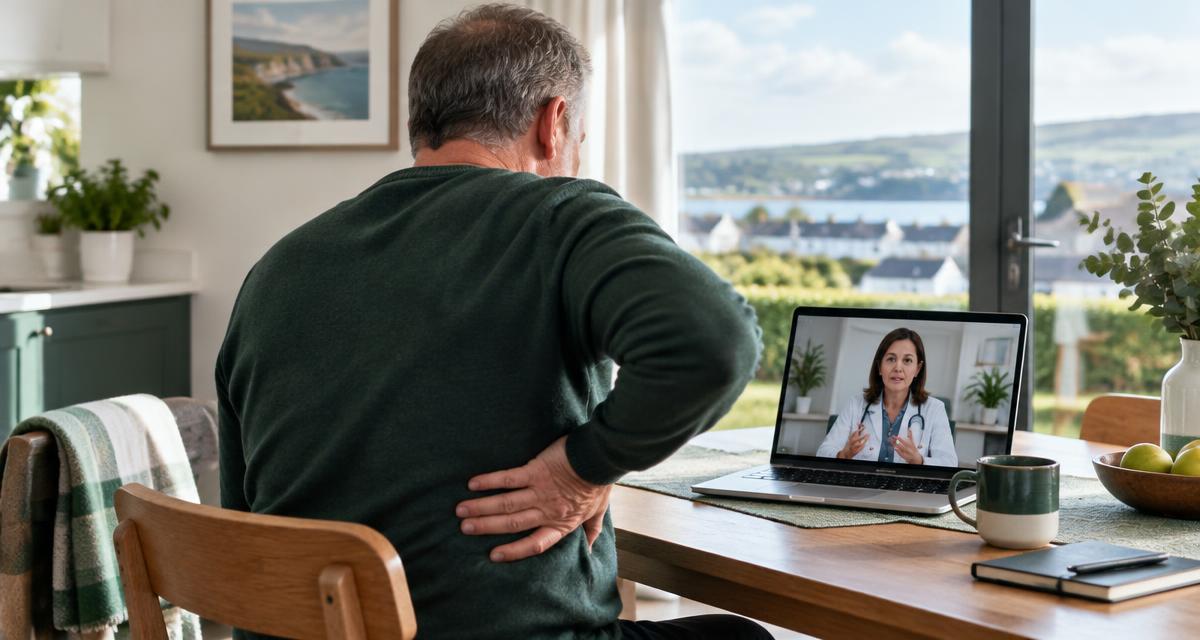
If you are living in Ireland—whether in Dublin, Cork, Galway, or a rural community—you can consult an Irish-registered GP online through NOVAGP.IE.
During a secure video or phone consultation, our GP will examine your eye. If the doctor determines that your stye has led to a secondary infection or requires prescription treatment, they can issue a secure prescription directly to your chosen local pharmacy via the HSE Healthmail network. This service is fully secure, complies with Irish GDPR regulations, and operates seven days a week with no weekend or after-hours surcharges.
Need professional medical advice?
If your stye is painful, worsening, or not responding to warm compresses, book a video or phone consultation with NOVAGP.IE today. Speak with an Irish-registered GP from the comfort of your home and receive a Healthmail prescription sent directly to your local pharmacy.
Frequently asked questions
Can I buy antibiotic eye drops over the counter in Ireland?
In Ireland, targeted antibiotic eye drops and ointments require a prescription from a registered doctor. While mild antiseptic drops are available over the counter at Irish pharmacies, true antibiotic treatments like chloramphenicol must be prescribed after a clinical assessment of your eye infection.
How long does a stye take to clear up?
A typical stye begins to subside within three to seven days and resolves fully within two weeks. Applying a clean, warm compress to the closed eyelid for ten minutes four times a day accelerates this natural healing process by helping the blocked gland drain safely.
What are the signs that a stye is getting worse?
You should seek medical attention if the redness and swelling spread beyond the immediate eyelid to your cheek or face. Other concerning signs include changes in your vision, severe eye pain, extreme sensitivity to light, or if the stye does not improve after one week of home care.
Can an online GP prescribe medication for a stye?
Yes, an Irish-registered GP at NOVAGP.IE can evaluate your eye condition during a secure video consultation. If they diagnose an infection requiring treatment, they can instantly send a prescription for antibiotic drops, ointment, or oral tablets to any pharmacy in Ireland using the secure Healthmail network.
Is an online GP consultation covered by the Medical Card?
NOVAGP.IE operates as a private online GP service with a single, transparent fee structure and does not directly process HSE Medical Cards or GP Visit Cards. However, many private health insurance providers in Ireland allow patients to reclaim the cost of online GP consultations depending on their policy.
What is the difference between a stye and a chalazion?
A stye is an acute, painful bacterial infection of an eyelash follicle or eyelid gland, often presenting with a pus-filled spot. A chalazion is a painless, firmer lump caused by a blocked oil gland that occurs without active infection, though it can sometimes develop from an unresolved stye.
Share this guide
Talk to an Irish GP today
Same-day video or phone appointments, €39. Prescriptions sent securely to your pharmacy.
This article is general health information for people in Ireland and is not a substitute for individual medical advice. If you have an urgent or severe symptom, contact your GP, an out-of-hours service, or call 112 or 999.
Related articles
 Prescriptions
Shingles: Symptoms, Signs, and Treatment Options in Ireland
6 min read Prescriptions
Restless Legs Syndrome: Causes, Diagnosis, and Treatment in Ireland
6 min readPrescriptions
Typhoid Vaccine and Travel Health Consultations Online
4 min readPrescriptions
Bacterial Vaginosis Antibiotic Dosage Guidelines in Ireland
4 min readPrescriptions
Online Repeat Prescriptions and Bridging Scripts in Ireland
5 min read
Continue exploring this topic
Prescriptions & medicines guides for patients in Ireland