
Prescriptions
What is a smart prescription, and when is it safe to use one?
A questionnaire-led route to a prescription for straightforward, well-defined problems — reviewed by a GP, not by an algorithm.
Need to be seen today? Video or phone appointment with an Irish-registered GP, €39.
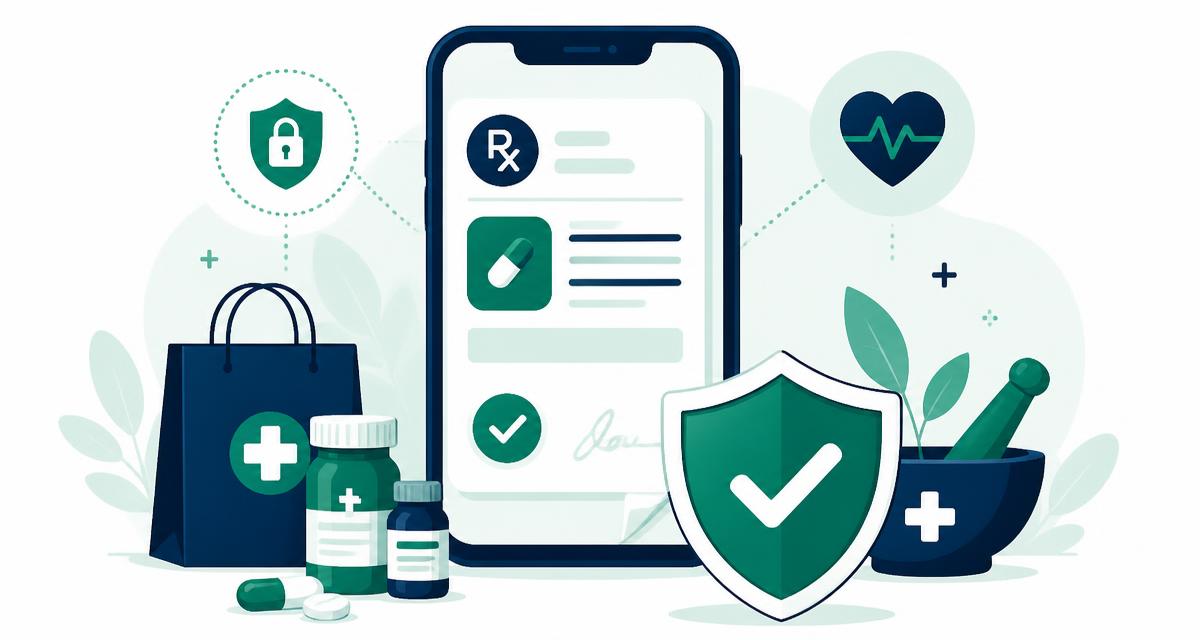
Book a GPA smart prescription is an asynchronous consultation. Instead of booking a video call, you complete a clinical questionnaire designed for one specific problem. An Irish-registered GP reads your answers, applies the same safety checks they would apply in the room, and either issues a prescription, comes back with questions, or declines and advises a full consultation.
What the GP checks before issuing
- Whether your described symptoms actually fit the condition, and for how long you have had them.
- Drug–drug interactions against everything else you are taking.
- Recorded allergies and previous adverse reactions.
- Pregnancy and breastfeeding status, which changes what can safely be prescribed.
- Red flags that make a remote decision unsafe — fever with back pain in a urine infection, for example.
- Whether this is a repeat pattern that needs review rather than another course of treatment.
A human GP makes every decision. The questionnaire structures the information; it does not issue anything by itself.
Typical uses
- Uncomplicated urinary tract infection in a non-pregnant adult woman with classic symptoms.
- Continuing an established contraceptive pill where nothing has changed.
- Emergency contraception, where speed matters most.
- Repeat inhalers, emollients and other maintenance medicines already established by a prescriber.
- Antimalarial prophylaxis for a straightforward itinerary.
When you need a full consultation instead
- A new symptom that has not been diagnosed before.
- Repeated courses of the same treatment in a short period.
- Pregnancy, breastfeeding, or a significant change in your health.
- Anything the questionnaire flags as needing examination or discussion.
Smart prescription vs full consultation
Format
- Smart prescription
- Structured questionnaire, reviewed by a GP
- Video or phone consultation
- Live conversation with a GP
Best for
- Smart prescription
- One clearly defined, familiar problem
- Video or phone consultation
- New, unclear or multiple problems
Turnaround
- Smart prescription
- Usually within hours during clinic hours
- Video or phone consultation
- At your booked slot, often same day
Outcome
- Smart prescription
- Prescription, follow-up question, or advice to consult
- Video or phone consultation
- Prescription, sick cert, referral, blood tests
| Smart prescription | Video or phone consultation | |
|---|---|---|
| Format | Structured questionnaire, reviewed by a GP | Live conversation with a GP |
| Best for | One clearly defined, familiar problem | New, unclear or multiple problems |
| Turnaround | Usually within hours during clinic hours | At your booked slot, often same day |
| Outcome | Prescription, follow-up question, or advice to consult | Prescription, sick cert, referral, blood tests |
Getting the medicine
If the GP approves, the prescription goes to your nominated Irish pharmacy through Healthmail, the HSE-approved secure route between prescribers and pharmacies. You collect it as normal. If the GP declines, you are told why and what to do instead.
Frequently asked questions
Does a computer decide whether I get the prescription?
No. The questionnaire collects and structures information, but an Irish-registered GP reviews every request and makes the clinical decision.
How long does it take?
Requests submitted during clinic hours are usually reviewed within a few hours. You are notified either way.
What if my request is declined?
The GP explains the reason and points you to the right next step, which is usually a full consultation or an in-person review.
Can I get antibiotics this way?
Sometimes, for specific well-defined presentations such as an uncomplicated UTI. Antibiotic stewardship applies, so requests that do not fit the criteria are declined.
Share this guide
Talk to an Irish GP today
Same-day video or phone appointments, €39. Prescriptions sent securely to your pharmacy.
This article is general health information for people in Ireland and is not a substitute for individual medical advice. If you have an urgent or severe symptom, contact your GP, an out-of-hours service, or call 112 or 999.
Related articles
 Prescriptions
Shingles: Symptoms, Signs, and Treatment Options in Ireland
6 min read Prescriptions
Restless Legs Syndrome: Causes, Diagnosis, and Treatment in Ireland
6 min readPrescriptions
Typhoid Vaccine and Travel Health Consultations Online
4 min readPrescriptions
Bacterial Vaginosis Antibiotic Dosage Guidelines in Ireland
4 min readPrescriptions
Online Repeat Prescriptions and Bridging Scripts in Ireland
5 min read
Continue exploring this topic
Prescriptions & medicines guides for patients in Ireland