
Travel health
Heading to altitude? How to prevent and recognise mountain sickness
Altitude sickness can affect anyone, however fit. Slow ascent is the most important protection. Medication such as acetazolamide can help some travellers, but only after an individual assessment, and it never replaces a careful itinerary.
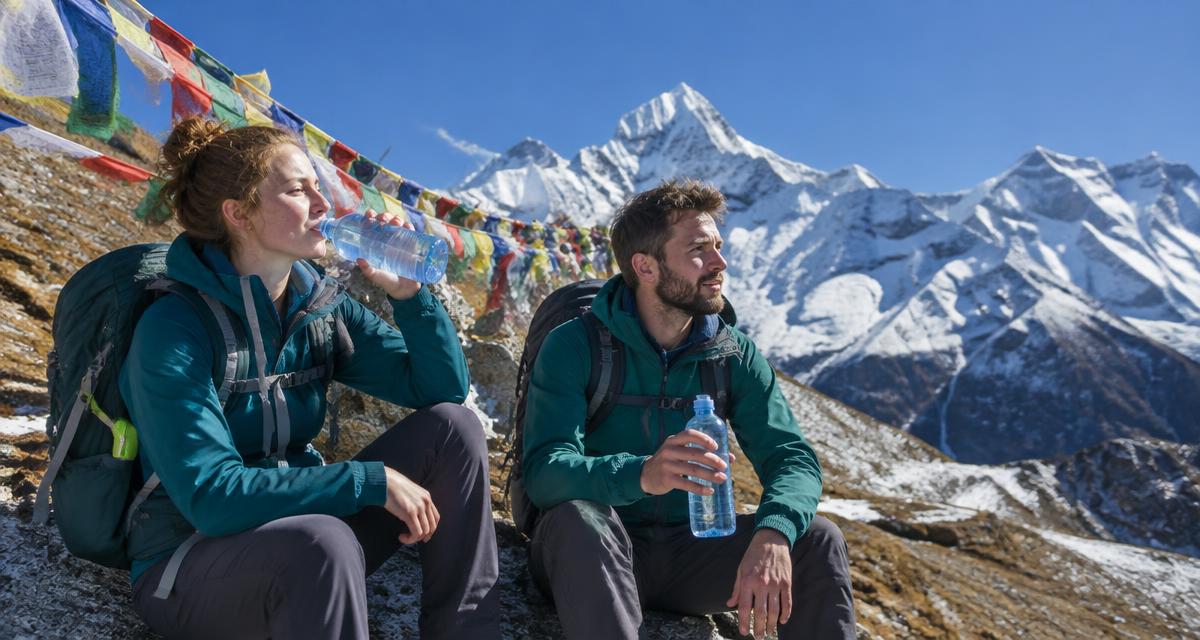
Planning a trek or a trip to high altitude? A travel health consultation with an Irish-registered GP costs €50.
Book a travel health consult — €50Each year more travellers from Ireland trek to Everest Base Camp, walk the Inca Trail, climb Kilimanjaro or visit high cities such as Cusco, La Paz and Lhasa. Above roughly 2,500 metres the air holds less oxygen, and the body needs time to adjust. If you go up faster than your body can adapt, you can develop altitude illness. Fitness, age and previous trips do not reliably predict who will be affected.
The short version: go up gradually, never climb higher with symptoms, and go down if symptoms get worse. Medication may lower your risk, but it does not make a fast ascent safe.
The three forms of altitude illness
Forms of altitude illness, as described in NHS and UK travel-health guidance
Acute mountain sickness (AMS)
- What it is
- Headache plus nausea, poor appetite, dizziness, tiredness or poor sleep, usually starting 6 to 10 hours after arriving at a new height
- How serious
- Common and usually mild, but it can progress
High-altitude cerebral oedema (HACE)
- What it is
- Fluid on the brain: confusion, drowsiness, unsteady walking, behaviour change
- How serious
- A medical emergency. Descend immediately
High-altitude pulmonary oedema (HAPE)
- What it is
- Fluid in the lungs: breathlessness at rest, chest tightness, persistent cough, sometimes pink or frothy spit
- How serious
- A medical emergency. Descend immediately
| Condition | What it is | How serious |
|---|---|---|
| Acute mountain sickness (AMS) | Headache plus nausea, poor appetite, dizziness, tiredness or poor sleep, usually starting 6 to 10 hours after arriving at a new height | Common and usually mild, but it can progress |
| High-altitude cerebral oedema (HACE) | Fluid on the brain: confusion, drowsiness, unsteady walking, behaviour change | A medical emergency. Descend immediately |
| High-altitude pulmonary oedema (HAPE) | Fluid in the lungs: breathlessness at rest, chest tightness, persistent cough, sometimes pink or frothy spit | A medical emergency. Descend immediately |
Symptoms of acute mountain sickness
- Headache, the most common symptom
- Nausea or vomiting and loss of appetite
- Dizziness or light-headedness
- Unusual tiredness or weakness
- Disturbed sleep
These symptoms can look like a hangover, a cold or exhaustion. At altitude, assume they are altitude sickness until proven otherwise. Tell someone travelling with you, rest at the same height and do not go higher until they have fully settled. Painkillers such as paracetamol or ibuprofen, and anti-sickness medicine, can ease the symptoms. With rest, symptoms usually settle in one to three days. If they get worse, or do not improve after a day, go down by around 300 to 1,000 metres if you can.
Danger signs: descend and seek urgent help
- Confusion, unusual drowsiness, or behaving out of character
- Difficulty walking in a straight line or a loss of coordination
- Seeing or hearing things that are not real
- Breathlessness while resting
- Chest tightness, or a cough that will not settle
- Coughing up pink or frothy spit
- Blue or grey lips, tongue or skin
- A severe headache that does not ease with rest and simple painkillers
Going down is the definitive treatment for severe altitude illness. Do not wait for daylight or for a doctor if someone is deteriorating. Go down with a companion and contact local emergency or rescue services. Make sure your travel insurance covers trekking at the heights you plan and helicopter evacuation.
Safe ascent: the most important prevention
- Where possible, spend a day or two at a moderate height (below 2,500 metres) before going higher.
- Above 3,000 metres, do not sleep more than about 500 metres higher than the night before.
- Plan a rest day at the same height every three to four days once you are above 3,000 metres.
- Avoid going from below about 1,200 metres to above 3,500 metres in a single day.
- Climb high, sleep low: daytime walks higher than where you sleep are fine.
- Drink enough fluid to keep your urine pale, avoid alcohol while travelling or climbing, and ask your doctor before taking sleeping tablets.
- Never go higher with symptoms, and never leave an unwell person alone.
Itineraries that fly straight to a high altitude, such as arriving in Lhasa or La Paz, or tightly scheduled summit treks, make a gradual ascent harder. These are the trips where a pre-travel consultation is most useful.
Acetazolamide: what it is and when it may be considered
Acetazolamide is a prescription-only medicine. It helps the body adjust to altitude by making you breathe a little faster and deeper. Clinical trials show it reduces the risk of acute mountain sickness, but it does not remove that risk. The licensed uses listed in the product information are glaucoma, fluid retention and epilepsy — altitude sickness is not one of them, so using it here falls outside the original licence. UK national travel-health guidance describes it as the preferred preventive medicine while noting it is unlicensed for this purpose. That is common and accepted in travel medicine, but it means the decision must be made individually with a doctor.
It may be considered when a gradual ascent is not possible, for example when flying into a high-altitude destination, or for people who have had altitude sickness before. It is not needed for everyone, and many travellers on well-paced itineraries do not take it.
How it is usually taken
For prevention, UK national travel-health guidance (TravelHealthPro, run by NaTHNaC) describes the usual adult dose as 125 mg twice daily, started the day before ascent and continued for at least two days after reaching the highest planned altitude. Some clinicians advise starting one to two days beforehand. Where only 250 mg tablets are available, a prescriber may advise taking half a tablet; the tablets are scored to make this easier. Always follow the directions on your own prescription. Do not change the dose yourself.
If you are prescribed acetazolamide, carry enough for your whole trip plus a small reserve in case of delays, and keep it in your hand luggage with a copy of the prescription.
Common side effects
- Tingling or pins and needles in the fingers, toes or around the mouth
- A change in taste, especially of fizzy drinks
- Passing urine more often, which means you need to keep well hydrated
- Mild tiredness
These effects are usually mild. Some travellers take a short trial dose at home before leaving to see how they tolerate it; ask your doctor if this is right for you. If you develop a rash, stop taking it and seek medical advice the same day. Also seek advice promptly for unusual bruising, severe tiredness, or pain in the side or back. Always read the patient information leaflet that comes with your medicine.
Who may not be suitable
- Anyone who has had a severe allergic reaction to a sulphonamide ("sulfa") medicine, such as anaphylaxis or a severe skin reaction — it should not be taken. A milder past reaction may still allow it after discussion, sometimes with a supervised trial dose before you travel
- People with marked kidney or liver disease, including cirrhosis
- People whose sodium or potassium levels are low, or with a history of kidney stones
- Pregnancy — the product information says it should not be used, particularly in the first trimester. It is also not usually advised while breastfeeding
- Anyone taking medicines that may interact, such as high-dose aspirin, some diuretics or some epilepsy medicines
This is why acetazolamide is prescribed only after a doctor has reviewed your medical history, allergies and current medicines. It is not suitable to buy online without a consultation.
Do not rely on acetazolamide alone. You still need to ascend slowly, stay hydrated, recognise the symptoms and go down if you are getting worse. Any medicine that lets you ignore warning signs and keep climbing is being misused.
Altitude sickness tablets are not travel sickness tablets
People sometimes mix these up. Travel (motion) sickness tablets, such as cinnarizine or hyoscine, ease nausea on boats, flights or winding roads. They do nothing to help your body adjust to altitude. Acetazolamide does not treat motion sickness. Some travellers need advice on both. Tell your doctor or pharmacist about everything you plan to take, including medicines bought without a prescription, so they can check the combination is safe.
Before you go: a pre-travel checklist
- Plan your itinerary with rest days and realistic daily height gains
- Book a travel-health review at least eight weeks before departure if you also need vaccines or malaria advice
- Discuss any heart, lung or blood conditions, pregnancy, or previous altitude illness with a doctor
- Check that your insurance covers high-altitude trekking and evacuation
- Agree with your group that anyone can stop or turn back without pressure
How a NOVAGP.IE travel consultation helps
In a €50 travel health consultation by video or phone, an Irish Medical Council-registered GP reviews your itinerary, your health and your medicines. We talk through safe ascent and danger signs. Where acetazolamide is clinically appropriate, we can send a prescription by Healthmail to your chosen Irish pharmacy. If it is not appropriate, we will explain why and suggest safer alternatives. Assessment is individual, and a prescription is never guaranteed.
A remote consultation is for planning before you travel. It is not an emergency service for symptoms at altitude: if you become unwell on the mountain, go down and seek local medical help.
Sources and further reading
- NHS — Altitude sickness
- TravelHealthPro (NaTHNaC) — Altitude illness: risks, symptoms, prevention and dosing
- TravelHealthPro — Check travel health risks by country
- HPSC (HSE) — Travel advice for international travellers
- Citizens Information — Travelling abroad and vaccinations
- Medical Council — Guide to Professional Conduct and Ethics for Registered Medical Practitioners (9th edition, 2024)
- HPRA — Authorised medicines for human use in Ireland
- Diamox 250 mg tablets — Summary of Product Characteristics (licensed uses)
This guide is general information for travellers from Ireland and does not replace an individual medical assessment. Doses and recommendations may change; your own prescription and the latest official travel-health guidance take priority.
Frequently asked questions
At what altitude does altitude sickness start?
It usually becomes a risk above about 2,500 metres, although sensitive people can notice symptoms lower. The speed of ascent matters more than the exact height.
Can fit people get altitude sickness?
Yes. Fitness does not protect you, and very fit people sometimes climb too quickly. Gradual ascent is the best protection for everyone.
Do I need a prescription for acetazolamide in Ireland?
Yes. Acetazolamide is prescription-only. A doctor needs to review your medical history, allergies and medicines before deciding if it is suitable for you.
Does acetazolamide prevent altitude sickness completely?
No. It reduces the risk but does not remove it. You still need to ascend slowly, recognise symptoms and go down if you get worse.
When should I start taking acetazolamide?
If it is prescribed, it is usually started the day before ascent and continued for at least two days after reaching your highest planned altitude. Some clinicians advise starting one to two days beforehand. Follow the directions on your own prescription.
What are the common side effects of acetazolamide?
Tingling in the fingers and toes, a change in taste (especially fizzy drinks), passing more urine and mild tiredness. These are usually mild.
Can I take acetazolamide if I am allergic to sulfa drugs?
A severe reaction to sulphonamides, such as anaphylaxis or a severe skin reaction, means it should not be taken. A milder past reaction may still allow it, sometimes after a supervised trial dose before you travel. Describe the exact reaction you had at your consultation.
Can I use travel sickness tablets to prevent altitude sickness?
No. Travel sickness tablets such as cinnarizine or hyoscine help with motion sickness only. They do not help your body adjust to altitude. Ask a doctor or pharmacist before combining any medicines for your trip.
What should I do if I get symptoms at altitude?
Stop and rest at the same height and do not go higher. If symptoms get worse, or you notice confusion, unsteadiness or breathlessness at rest, go down immediately and seek local medical help.
Can I get an altitude sickness prescription online in Ireland?
Yes, after a consultation. An Irish-registered GP at NOVAGP.IE can assess you in a €50 travel health consultation by video or phone and, where appropriate, send a prescription by Healthmail to your pharmacy. A prescription is not guaranteed.
Share this guide
Book your travel health consultation
A travel health consultation by video or phone costs €50. Where a medicine such as acetazolamide is clinically appropriate, it is sent securely to your pharmacy.
This article is general health information for people in Ireland and is not a substitute for individual medical advice. If you have an urgent or severe symptom, contact your GP, an out-of-hours service, or call 112 or 999.
Related articles
Online GP
Stopping Weight Loss Injections Safely: How to Maintain Your Weight in Ireland
5 min read Online GP
Online Mental Health GP Consultation in Ireland: Anxiety, Low Mood and Stress
6 min readOnline GP
Orforglipron (Foundayo) in Ireland: The Oral Weight Loss Pill Explained
6 min read Prescriptions
Shingles: Symptoms, Signs, and Treatment Options in Ireland
6 min read Online GP
Asthma Symptoms, Treatment and Inhaler Reviews in Ireland
5 min read
Continue exploring this topic
Prescriptions & medicines guides for patients in Ireland